Business use case
Real-Time Monitoring of High-Throughput Second-Gen Sequencing at a Global Pharmaceutical Company
Case description
The Second Generation Sequencing department of our client is working toward a fully automated smart lab by filling a crucial gap in its highly automated lab.
The client's sequencing protocols typically run for about 12 to 17 hours. That duration makes it a significant challenge for scientists who need to follow the progress of each sequence.
Key success criteria:
- Enable the team to create a customized monitoring dashboard by site and internal group
- Show the status of each sequencing run in %
- Highlight any equipment in an error state with a different color, and trigger notifications by email and text
- Generate reports for completed sequences by week, month, quarter, and year, to find patterns that could make future runs more efficient
- Eliminate bottlenecks in the process to ensure uninterrupted operation
Equipment included
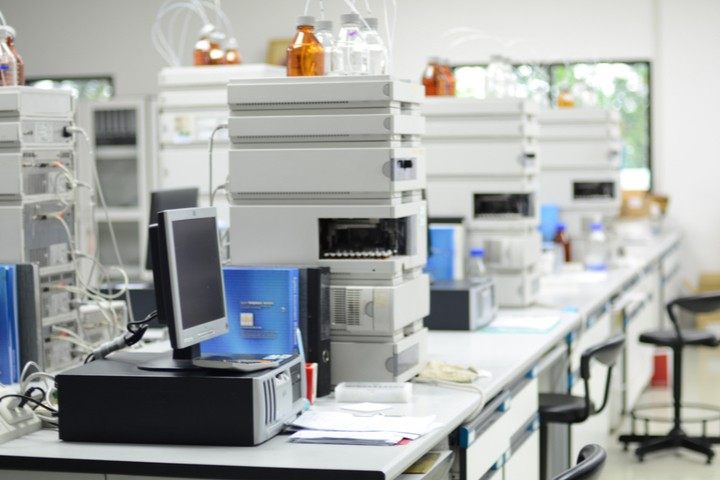
9 HPLCs from several manufacturers
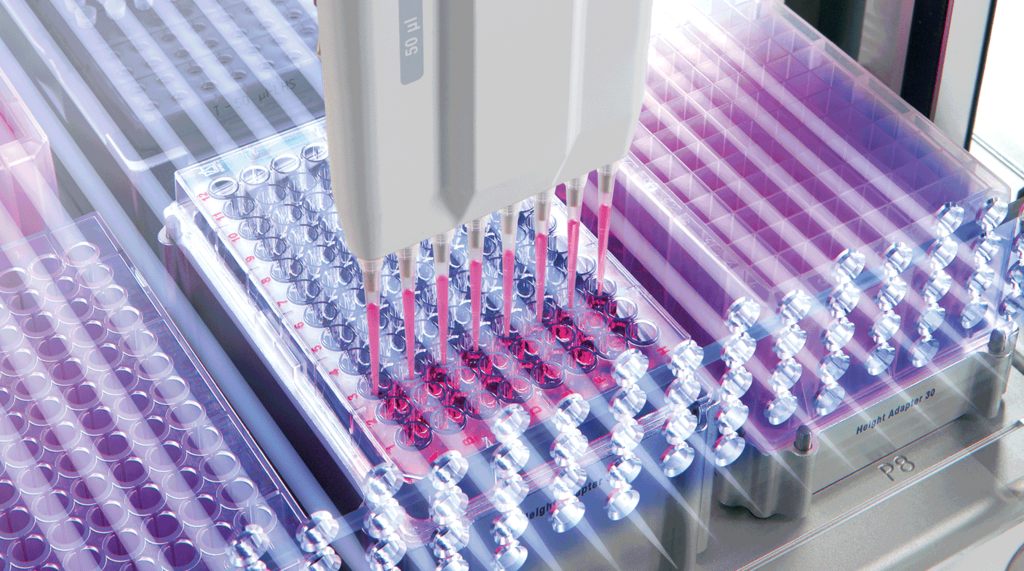
11 liquid handlers from several manufacturers
Defined state in time loss
- 11.1 hours/week
- 44.4 hours/month
- 529.2 hours/year
Desired state in savings
- Time savings won
- Instrument utilization
- Energy consumption and equipment lifecycle improvement
Results
592 hours saved in first year
Eliminated manual monitoring
70% reduced cost in manual reporting
Manual reporting no longer needed
25% decrease in experiment run time
Increased knowledge of error patterns
Maximized efficacy on experiment runtime
for high throughput, quality, and resource planning
100% transparency in equipment utilization
Better planning in future smart labs